
Bali is one of those destinations that looks easy to plan.
You see the rice terraces, beaches, temples, waterfalls, beach clubs, villas and sunsets. You save a few places on Google Maps, book a hotel and assume the rest will fall into place.
That is where many Bali trips start to go wrong.
Bali may look relatively compact on a map, but traffic, road conditions and the geography of the island can turn a short-looking journey into a significant part of your day.
The difference between a good Bali vacation and a frustrating one is often not how many places you visit. It is how intelligently you connect them.
This Bali travel guide is designed to help you make those decisions before you arrive.
You will learn where to go, where to stay, how long to spend, how to get around, when to visit, what is worth your time, what to prepare before flying, and how to build a Bali trip that feels like a vacation rather than a transportation project.
And if you eventually want the detailed route, planning tables and deeper recommendations, we will show you where to take that next step.
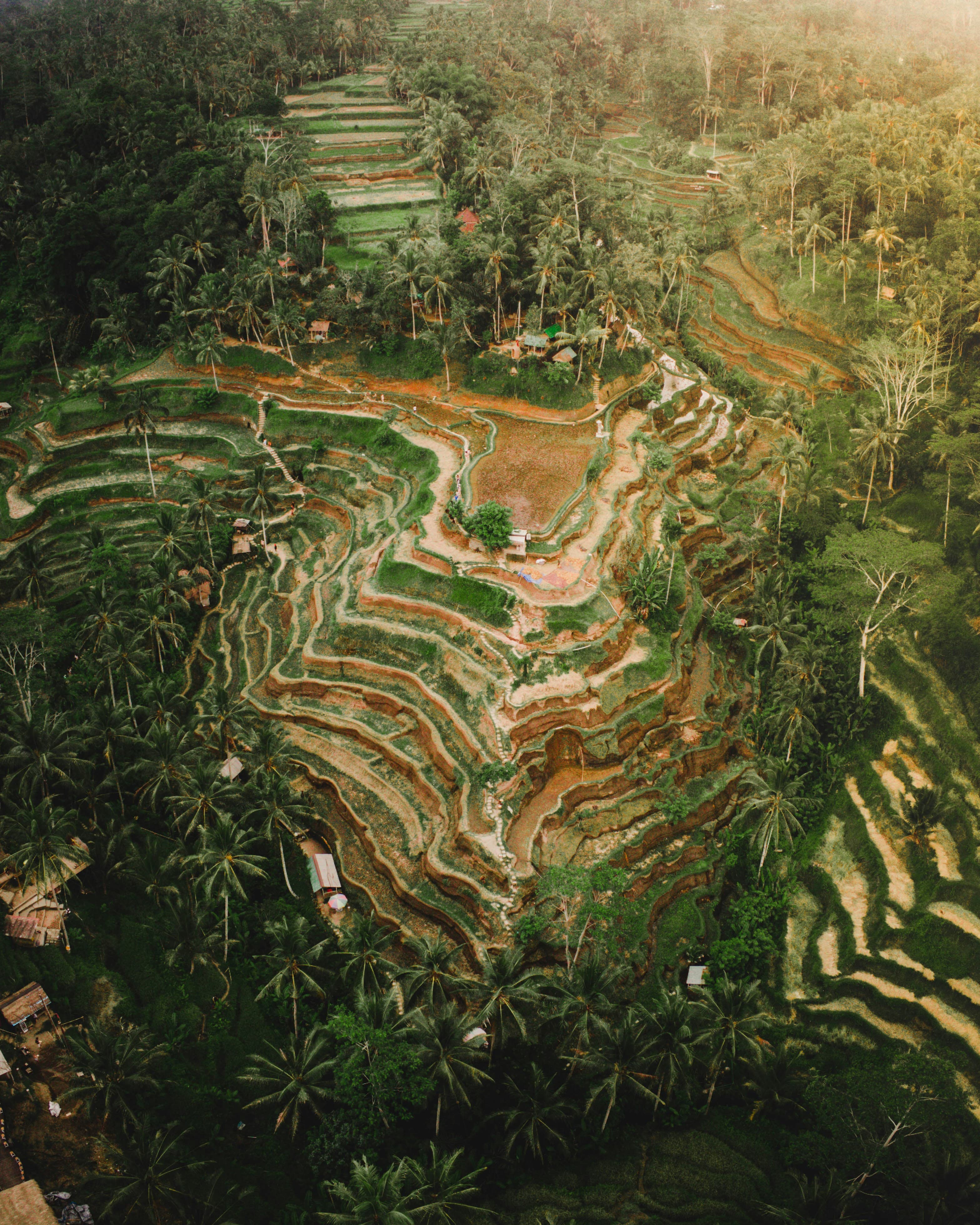
Bali at a Glance
Destination: Bali, Indonesia
Airport: Ngurah Rai International Airport (DPS), near Denpasar
Currency: Indonesian rupiah (IDR)
Language: Bahasa Indonesia; Balinese is also widely spoken locally
Climate: Tropical and warm throughout the year
Best known for
Beaches, Hindu culture, rice terraces, temples, surfing, diving, wellness, cuisine and luxury resorts
Bali is part of Indonesia, but it has a distinct cultural identity. Hindu traditions, temples, ceremonies, offerings and Balinese architecture are woven into everyday life.
The island also changes dramatically from one region to another. Southern Bali is busy and energetic; Ubud is greener and culturally focused; the north is cooler and quieter; the east offers black-sand beaches and diving; and the Nusa islands add dramatic coastal scenery and marine experiences.
That variety is one of Bali's greatest strengths and one of the reasons planning matters.
How to Plan a Trip to Bali
Before you book hotels, decide what matters most to you.
Think about five things:
1. Your travel style
Luxury, adventure, culture, relaxation, nightlife, food, romance—or a combination.
2. Your available time
Seven days is very different from 15 days.
3. Your tolerance for travel
Do you enjoy moving between destinations, or would you rather settle into a hotel for several nights?
4. Your budget
Bali can accommodate very different budgets, but where you spend your money changes the experience dramatically.
5. Your priorities - Beaches? Temples? Rice terraces? Diving? Surfing? Wellness? Food?
Once those decisions are made, Bali's geography begins to make much more sense.
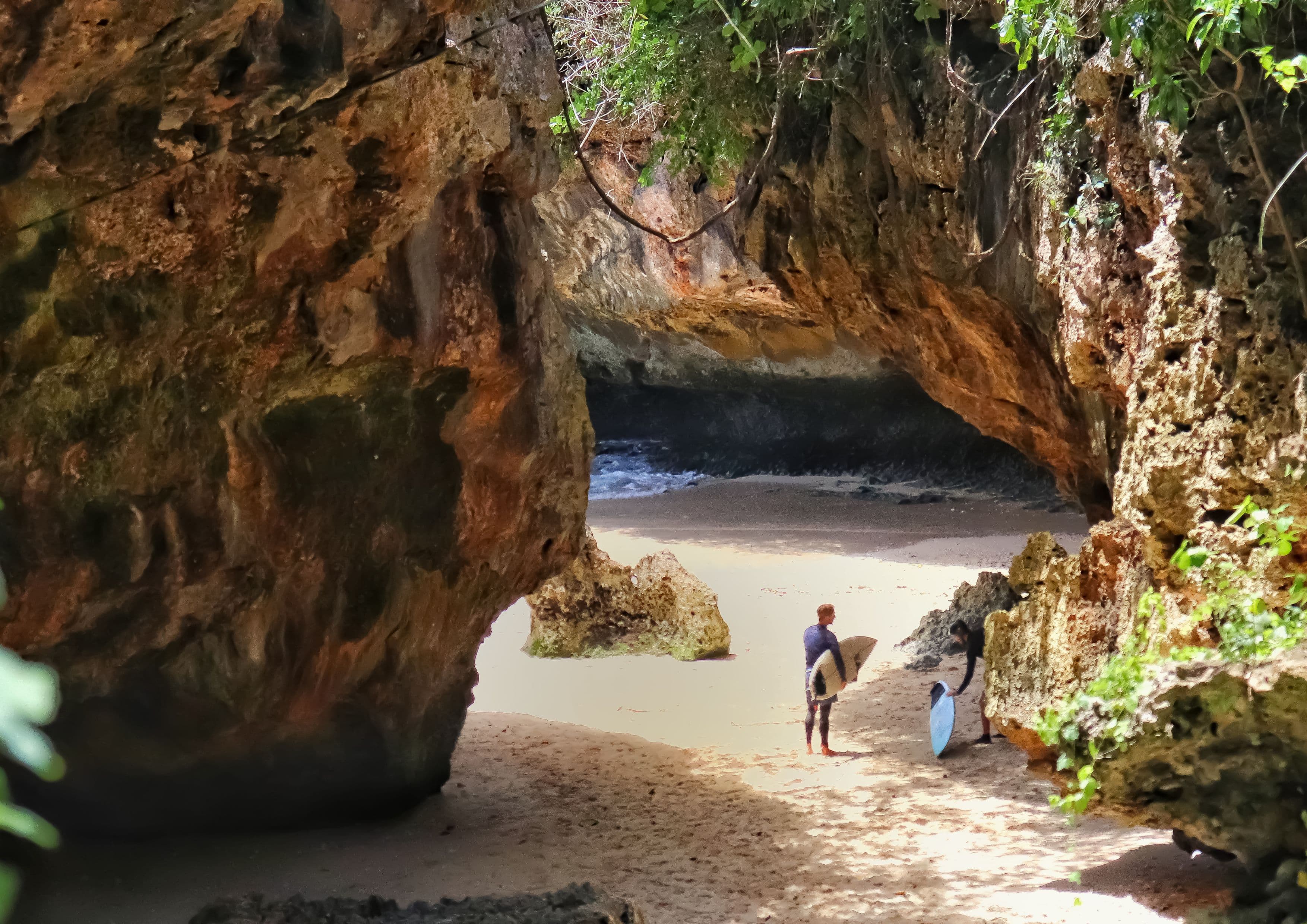
Before You Fly to Bali
One of the easiest ways to make a trip harder than it needs to be is to leave all the practical details until you land.
A few things should be checked before departure.
Passport and entry requirements
Entry rules depend on nationality and can change, so check Indonesia's official immigration information before flying. For U.S. travelers, the Indonesian Visa on Arrival system currently includes the United States among eligible nationalities. The current B1 Visa on Arrival allows an initial stay of up to 30 days and can be extended once, subject to the applicable rules. The current listed fee is IDR 500,000.
Your passport should also meet the current Indonesian validity requirements, and travelers should have appropriate onward or return travel documentation where required.
Bali tourist levy
International visitors traveling to Bali are currently subject to a IDR 150,000 tourist levy per person. The levy is separate from other Indonesian entry requirements. Bali's official Love Bali system says the payment is made once during the trip and can be completed electronically before entering Bali; payment facilities are also available at designated arrival points.
Your arrival airport
Most international visitors arrive through Ngurah Rai International Airport (DPS). Knowing what you will do after landing is surprisingly valuable.
Your first practical sequence usually involves
Immigration → baggage → connectivity → money → transportation → hotel
If you have arranged an airport transfer, confirm where your driver will meet you before departure.
SIM card or eSIM
You can arrange connectivity before the trip with an eSIM or purchase a local SIM after arrival. The important decision is not simply price. Consider the parts of Bali you will visit because connectivity can vary outside the major tourist areas. If your route includes mountains or remote regions, choosing a reliable network is more important than saving a few dollars.
Cash and ATMs
The local currency is the Indonesian rupiah (IDR). Cards are widely useful in hotels, established restaurants and many tourist businesses, but you should still carry cash for smaller businesses, markets and local food establishments. Use reputable, bank-operated ATMs whenever possible and check your bank's international withdrawal policy before departure.
Electricity
Indonesia uses 230V electricity and commonly uses Type C and Type F plugs. A universal travel adapter is a simple item to pack.

How Many Days Do You Need in Bali?
5–7 days
A week can work well for a first introduction to Bali, particularly if you focus on two or three areas. Trying to cover the entire island in seven days usually creates more driving than enjoyment.
8–10 days
This is a comfortable range for travelers who want a broader experience without turning their vacation into a constant hotel change. You can combine southern Bali with Ubud and add another region or island.
11–15 days
A longer trip gives you the freedom to experience Bali geographically rather than simply collecting attractions. You can move beyond the busiest southern areas, spend time in the mountains, explore the east, and add one of the Nusa islands.
The important thing is not simply having more days. It is using those days intelligently.
Where to Go in Bali
Canggu
Canggu is energetic, social and heavily influenced by surf culture. Expect cafés, restaurants, beach clubs, boutique hotels and a busy coastal atmosphere.
It works well for travelers who want:
- · Surfing
- · Restaurants and cafés
- · Nightlife
- · Beach clubs
- · A younger, international atmosphere
It may not be the best choice if your priority is silence and seclusion.
Seminyak
Seminyak is more polished and sophisticated, with a strong concentration of restaurants, shopping, hotels and beach clubs. It is a good option for travelers who want convenience and a lively vacation without making nightlife the entire focus of the trip.
Ubud
Ubud is where Bali's cultural and natural character becomes especially visible. Rice terraces, temples, art, wellness and jungle landscapes create a completely different atmosphere from the southern coast.
Ubud is particularly suited to:
· Culture
· Wellness
· Yoga
· Rice terraces
· Traditional arts
· Nature
Give it enough time. Ubud is one of the places where rushing from one attraction to another can defeat the purpose of staying there.
Munduk and North Bali
Amed has a slower coastal atmosphere, black-sand beaches and access to well-known snorkeling and diving experiences.
It is particularly attractive for travelers who want:
· Ocean activities
· Snorkeling
· Diving
· Fishing-village scenery
· A quieter pace
Nusa Penida and Nusa Lembongan
The Nusa islands add a different dimension to a Bali vacation. Expect dramatic cliffs, ocean views and marine experiences. Nusa Penida is generally more rugged, while Nusa Lembongan offers a somewhat gentler island experience. Don't automatically treat them as simple day trips. Depending on your priorities, staying overnight can create a much more relaxed experience.

Where Should You Stay in Bali?
The question isn't simply: “Which hotel is best?”
The better question is: “Which part of Bali makes the rest of my trip easier?”
That distinction matters.
A spectacular hotel becomes much less attractive if every excursion starts with a long drive through traffic.
Choose Ubud for culture and nature.
Choose Canggu for surfing, cafés and a social atmosphere.
Choose Seminyak for restaurants, shopping and nightlife.
Choose Uluwatu for cliffs, beaches and sunsets.
Choose Nusa Dua for a resort-focused vacation.
Choose Sanur for a calmer coastal base.
Choose Amed or North Bali if you want to explore a quieter side of the island.
The right answer depends on your itinerary, not on a universal ranking of hotels.
GET YOUR BALI TRAVEL GUIDE AND ITINERARY
The Bali Planning Mistake Most Travelers Make
They plan geographically backwards. They start by saving individual attractions: “Temple.” “Waterfall.” “Beach.” “Restaurant.” “Beach club.” “Rice terrace.” Then they try to connect them later. This creates an itinerary that looks fantastic on paper and becomes exhausting in reality.
A better approach is: Choose your regions first. Choose your bases second. Choose activities third. That way, your activities serve the itinerary instead of fighting it.
Best Things to Do in Bali
Explore the rice terraces
Central Bali offers some of the island's most iconic landscapes. Go early when possible. Heat and crowds can change the experience considerably.
Visit Balinese temples
Bali's temples are not merely sightseeing attractions. They remain active places of worship. Dress respectfully and follow local rules.
Experience a traditional Balinese performance
Dance and music are integral parts of Balinese culture and can provide a deeper connection to the island than another conventional tourist attraction.
Visit waterfalls
Central and northern Bali are home to waterfalls ranging from accessible viewpoints to longer jungle and river walks. Choose based on your fitness level and the time you actually have available.
Surf
Bali is one of Asia's best-known surfing destinations. Beginners and experienced surfers should not automatically choose the same coastline.
Snorkel or dive
Amed, Tulamben and the surrounding islands offer opportunities to experience Bali from the water. The underwater experience is one of the best reasons to extend a trip beyond southern Bali.
Hike a volcano
For adventurous travelers, a sunrise volcano hike can become one of the defining memories of the trip. Just remember that these excursions often begin extremely early.
Leave room to do nothing
This may be the most underrated Bali activity of all. One of your best memories might be a slow breakfast, an afternoon beside the pool or a sunset you didn't have to rush to reach.

How to Get Around Bali
Understanding how to get around Bali is essential.
Bali has no railway network, and public transportation is limited compared with many major destinations. Road travel is therefore a central part of most itineraries. Official Indonesian tourism information also recommends private drivers for many visitors, particularly those wanting to explore beyond a single base.
Scooter
A scooter can be flexible and inexpensive, but it is not appropriate for every traveler. Only ride if you are properly licensed, experienced and comfortable with local road conditions.
Ride-hailing
Services such as Grab and Gojek can be useful in many areas, although availability and local restrictions can vary.
Private driver
For sightseeing days and longer transfers, a private driver can be the most comfortable option. It also allows you to connect several nearby stops without worrying about navigation or parking.
Boats
If your itinerary includes Nusa Penida or Nusa Lembongan, your route also needs to account for boat schedules and sea conditions.
GET YOUR BALI TRAVEL GUIDE AND ITINERARY
The Most Important Transport Rule
Do not underestimate travel time. A destination can appear close on Google Maps and still consume several hours of your day. This is particularly important when traveling between Bali's southern and northern or eastern regions.
Your itinerary should allow for:
· Traffic
· Road conditions
· Hotel check-in and check-out
· Weather
· Meal breaks
· Attraction queues
· Transfer delays
A good Bali itinerary doesn't simply tell you where to go. It tells you when it makes sense to go there.

When Is the Best Time to Visit Bali?
Bali is warm throughout the year, but rainfall and visitor levels change. Indonesia's official tourism information generally places Bali's dry season between April and October and the wetter season between November and March, while noting that weather patterns have become less predictable.
The dry season is generally attractive for beaches, hiking, sightseeing and other outdoor activities. Peak periods can also bring more visitors and higher demand. That means there isn't one perfect month for everyone.
The best time to visit Bali depends on your preferred activities, tolerance for rain, budget, flexibility and tolerance for crowds.
Is Bali Safe?
Bali welcomes large numbers of international visitors, but travel safety should still be taken seriously. For U.S. travelers, the U.S. Department of State currently rates Indonesia Level 2 — Exercise Increased Caution, citing risks including natural disasters, terrorism and unrest. Travelers should review the complete advisory before departure.
Practical precautions include:
· Keep valuables secure.
· Be careful with ATMs and card payments.
· Use reputable transportation.
· Follow local instructions and warnings.
· Be particularly careful when riding scooters.
· Keep copies of important documents.
· Consider travel insurance.
Safety is not something to panic about. It is something to plan for.
GET YOUR BALI TRAVEL GUIDE AND ITINERARY
Bali Travel Requirements for U.S. Travelers
Because ZipGuide's primary audience includes U.S. travelers, this deserves its own section.
Visa on Arrival
U.S. citizens are currently eligible for Indonesia's Visa on Arrival system. The current B1 Visa on Arrival allows up to 30 days initially and may be extended once under the applicable rules.
Tourist levy
The Bali tourist levy is currently IDR 150,000 per eligible foreign tourist. Bali's official Love Bali system says it is paid once and encourages visitors to complete payment electronically before arrival.
Passport and documentation
Check the current Indonesian immigration requirements shortly before departure, including passport validity, return or onward travel and any applicable arrival forms.
Important
Entry rules can change. Treat the information above as a planning reference, not a substitute for checking official Indonesian immigration guidance before you fly.

How Much Does a Bali Trip Cost?
This is another question without one universal answer. Bali can be inexpensive. It can also be extraordinarily luxurious. Your budget changes dramatically depending on accommodation, season, number of hotel changes, transportation, activities, dining style, private drivers and island transfers.
Rather than asking “How expensive is Bali?”, ask “What kind of Bali vacation am I building?”
A traveler staying in homestays, eating at local warungs and using inexpensive transport has a completely different budget from someone booking five-star beachfront resorts, private drivers and premium excursions.
What Should You Pack for Bali?
Keep it practical.
· Lightweight clothing
· Comfortable walking shoes
· Swimwear
· Sunscreen
· Insect repellent
· A reusable bottle
· A light rain layer
· Temple-appropriate clothing
· Any required medication
· Travel adapters
· A small day bag
If hiking, snorkeling, diving or exploring waterfalls is part of your trip, pack accordingly.
And don't underestimate comfortable footwear. Bali is much easier to enjoy when your feet aren't protesting by day three.
GET YOUR BALI TRAVEL GUIDE AND ITINERARY
Bali Travel Essentials
Essential | What to know |
Airport | Ngurah Rai International Airport (DPS) |
Currency | Indonesian rupiah (IDR) |
Climate | Tropical and warm year-round |
Dry season | Generally April–October |
Wet season | Generally November–March |
Electricity | 230V |
Common plugs | Type C and F |
Tourist levy | IDR 150,000 for eligible foreign tourists |
Visa on Arrival | Available to eligible nationalities, including U.S. citizens |
Main transport | Private drivers, scooters, ride-hailing and boats |
Major planning issue | Traffic and transfer times |
Seasonal and entry information can change, so verify current requirements before departure.

A Better Way to Build Your Bali Itinerary
A useful rule is:
Don't plan every hour. Plan every region.
For example, instead of creating: Monday: temple → waterfall → restaurant → beach → sunset → beach club
South Bali - Surf, beaches, cafés and nightlife.
Ubud - Culture, rice terraces, wellness and temples.
North Bali - Lakes, waterfalls and mountain scenery.
East Bali - Black-sand beaches, snorkeling and diving.
Nusa Island - Marine experiences and dramatic coastal scenery.
Uluwatu - Cliffs, beaches and a final sunset. Then fill the days according to your priorities. This creates flexibility without sacrificing organization.
Sample Bali Itinerary Frameworks
These are intentionally frameworks, not complete day-by-day itineraries. The detailed route is where proper planning becomes valuable.
7 Days in Bali
A practical first trip could combine: South Bali → Ubud → one additional coastal or island experience. The key is limiting hotel changes.
10 Days in Bali
Ten days gives you more room to combine: South Bali → Ubud → another region or island → Uluwatu. The exact order should depend on your interests and flight schedule.
15 Days in Bali
With 15 days, Bali becomes a different proposition. Instead of rushing between highlights, you can build a route incorporating: South Bali → Ubud → North Bali → East Bali → Nusa Islands → Uluwatu. That kind of geographical sequencing is at the heart of the route planning inside the ZipGuide Bali Travel Guide.
GET YOUR BALI TRAVEL GUIDE AND ITINERARY
Why ZipGuide's Bali Guide Is Different
There are plenty of Bali travel guides online.
Most tell travelers: where to go.
A useful guide should also help you understand: when to go, how to connect the destinations, where to base yourself, how much time to allow, and what can go wrong.
That is the philosophy behind the ZipGuide Bali Travel Guide.
Our research and development focused on the decisions that actually affect the trip.
The full guide goes beyond a list of attractions with practical information covering:
· Arrival and landing-day planning
· Connectivity and SIM/eSIM decisions
· Money and ATM considerations
· Transportation strategy
· Regional pacing
· Accommodation choices
· Budget planning
· Local tips
· Practical etiquette
· A complete 15-day route
· Area-by-area food and accommodation guidance
The paid guide is designed so the traveler does not have to assemble all of those pieces independently.
In other words:
The free article helps you understand Bali.

What You Get With the ZipGuide Bali Travel Guide
A geographically structured journey designed around how Bali actually works.
Arrival and landing-day guidance
Important first steps covering practical issues that are easy to overlook when planning from home.
Transportation strategy
Guidance on when different transport options make sense and how to avoid building your trip around unrealistic transfer times.
Where to eat and stay
Recommendations organized around each stage of the journey rather than one giant, disconnected list.
Accommodation budgeting
A practical way to compare accommodation levels and plan the total cost of your trip.
Real-world local tips
The little details that can save time, money and frustration once you are actually on the island.
Practical Bali Information
Money, connectivity, transport, etiquette and other first-time questions brought together in one place.
A trip designed around pacing
Because seeing more does not necessarily mean enjoying more.
Why a Well-Planned Bali Itinerary Matters
Bali is not a destination where the longest checklist necessarily produces the best holiday.
The best itinerary balances: where you stay + what you want to experience + how far you need to travel + how much time you want to relax.
A beautiful waterfall is not necessarily worth visiting if reaching it requires hours of unnecessary driving from your hotel.
Likewise, booking a beach club across the island on the same afternoon as a cultural attraction may create a schedule that looks exciting on paper but feels exhausting.
Good planning connects the pieces.
That is ultimately what a professional Bali travel guide should do.
Ready to Stop Researching and Start Planning?
You can spend weeks opening tabs, saving TikToks, comparing hotels and building a Bali itinerary from fragments of advice.
Or you can start with a plan that has already brought the important decisions together.
Explore the ZipGuide Bali Travel Guide
For travelers planning a trip alone, explore our dedicated Bali solo travel guide: Bali solo travel guide
The goal isn't to see everything. It's to experience the right Bali for you.

Bali Travel FAQ
Seven days can provide a good introduction, while 10–15 days allow considerably more flexibility and regional exploration.
Where should I stay in Bali?
That depends on your travel style. Ubud is strong for culture and nature, Canggu for surfing and a social atmosphere, Seminyak for restaurants and nightlife, Uluwatu for cliffs and beaches, and Nusa Dua for resort-style vacations.
What are the best things to do in Bali?
Popular experiences include rice terraces, temples, surfing, diving, snorkeling, waterfalls, volcano hikes, cultural performances and wellness experiences.
How do I get around Bali?
Options include scooters, ride-hailing services, taxis, private drivers and boats for the surrounding islands. Because traffic can significantly affect journey times, transportation should be considered when designing the itinerary.
Is Bali expensive
It can be surprisingly affordable or extremely luxurious depending on how you travel. Accommodation, transportation, dining and activities are the biggest variables.
Is Bali safe?
U.S. travelers should review the current State Department guidance before departure and use normal precautions regarding transportation, valuables, natural hazards and local conditions. The current U.S. advisory for Indonesia is Level 2: Exercise Increased Caution.
What is the tourist levy in Bali?
The current Bali tourist levy for eligible foreign tourists is IDR 150,000 per person and is paid once during the trip.
Do U.S citizens need a visa for Bali?
U.S. citizens are currently eligible for Indonesia's Visa on Arrival system. The current B1 Visa on Arrival allows up to 30 days initially and may be extended once under the applicable rules.
What is the best time to visit Bali?
Bali's dry season is generally April through October, while the wetter period is generally November through March. Weather can vary, so check forecasts around your travel dates.
How long should I stay in Bali for a first trip?
Seven to ten days is a practical starting point. If you want to experience different regions at a slower pace, 12–15 days gives you much more flexibility.
Is Bali worth visiting?
For travelers who want a combination of beaches, culture, nature, food, adventure and luxury, Bali offers an unusually broad range of experiences. But the best Bali experience comes from choosing the right places, in the right order, for the way you want to travel.
Final Thought
Bali doesn't need more people telling travelers what to see. It needs better planning. And that is where a good Bali travel guide should earn its place. Research less. Decide better. Travel further.
ZipGuide Travel — built for travelers who want to experience Bali, not spend their entire vacation researching it.


